It’s officially back to school season, and September will be here before we know it. As you soak up the last bits of summer and plan your fall semester music classes and lessons, consider sharing a Social Story with your students ahead of time. This season of transition, while exciting for some students, can be riddled with anxiety for other students.
Like many studios and classrooms, I am looking forward to welcoming new students to music class. For many neurodiverse students entering a new situation, there is fear of the unknown: What does my teacher look like? What is music class? What do I have to do in music class? When will I go? What sounds will be there? What people will be there? These are all perfectly normal questions to be asking and Social Stories can help to ease the anxiety about a new musical experience - be it a new classroom, a new teacher, a new school, or even a new instrument lesson.
Our students are navigating so much with a transition back to school - a transition back to a structured routine which may be brand new, a new school, a new classroom, a new teacher, navigating new social scenarios, and lots and lots of learning. We can make it easier on their nervous systems by helping to answer some of these questions in advance through a Social Story.
A Social Story is a concept developed by Carol Gray in the 1990s as a tool for sharing about social cues in social contexts that often go unnamed. Gray describes Social Stories as “windows into connection, clarity, and compassion” to help navigate new social situations. Social Stories help to answer specific questions about a scenario such as what is happening, who is doing what and why, what rules are there, and how should I respond to what is happening. Social Stories help individuals navigate a space and experience that is unfamiliar to them and lay some social and sometimes physical parameters ahead of the first interaction.
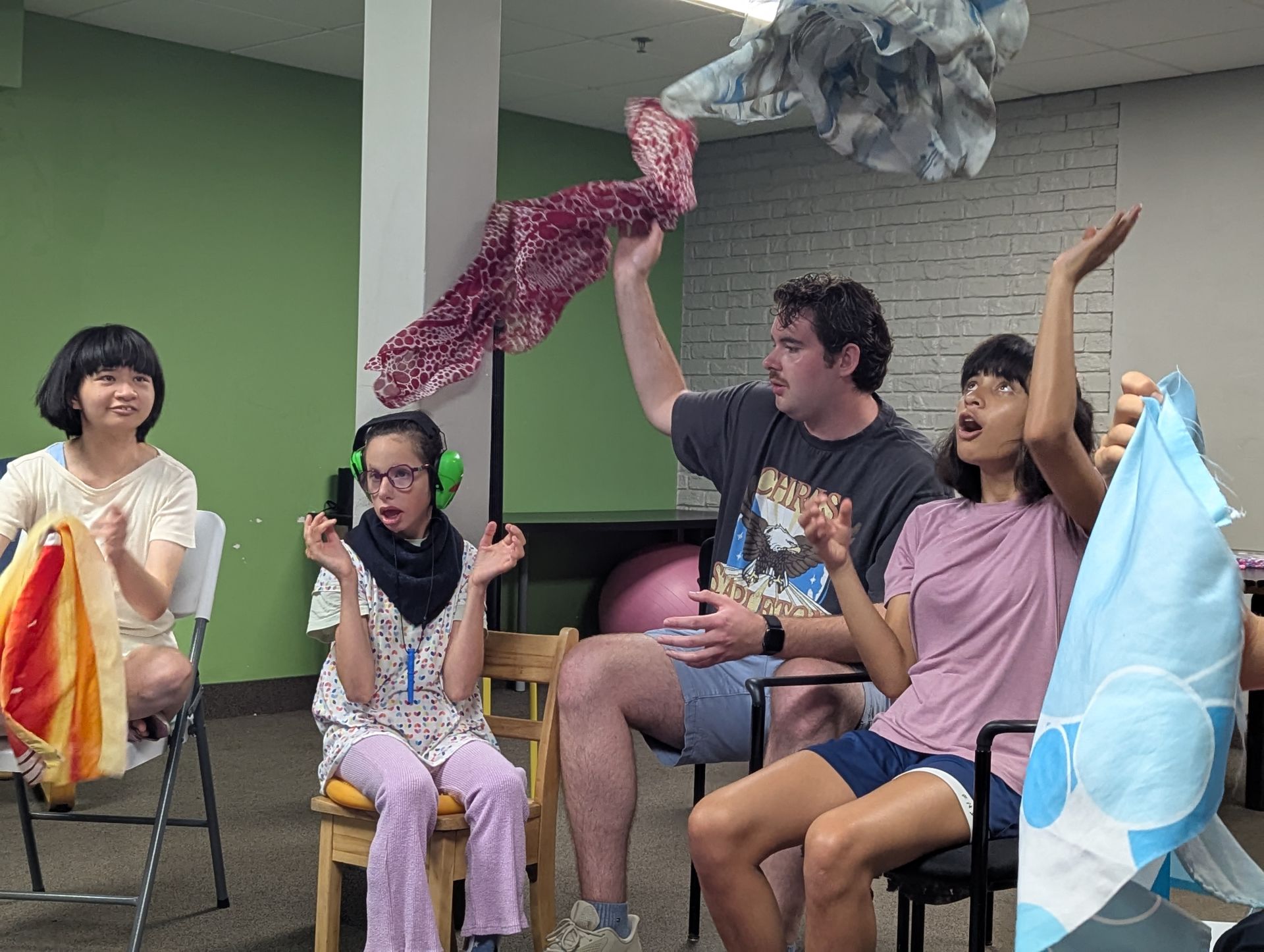
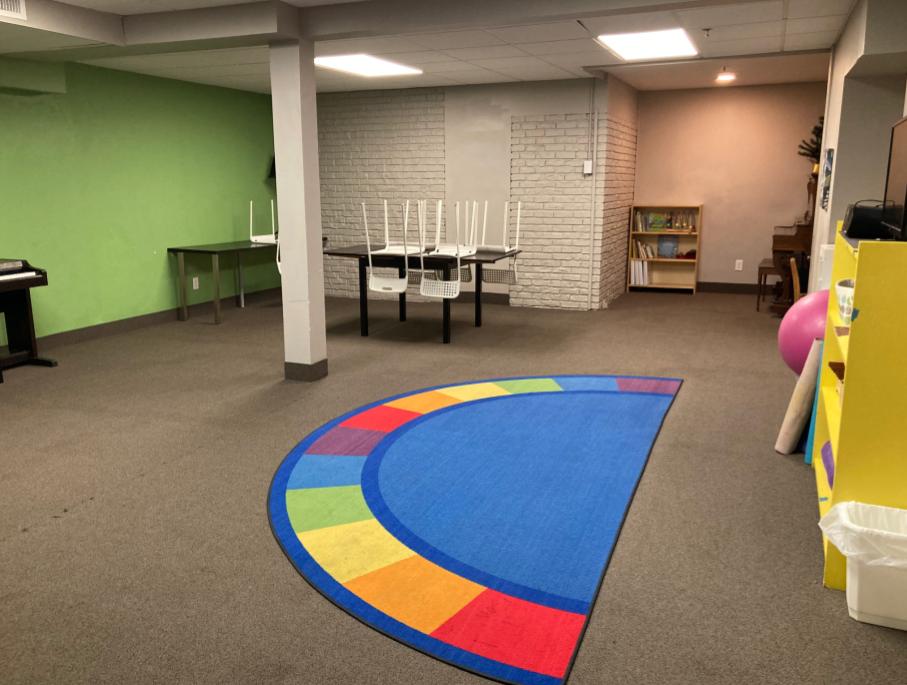
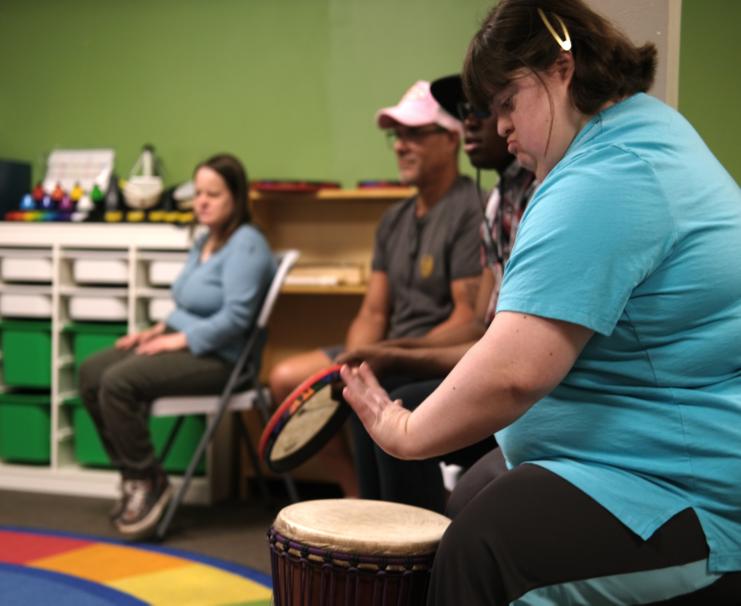
Now that we have established what Social Stories are, and why they are important, let’s talk about how we create them! There are many tools that exist to help you create a Social Story including free and paid platforms. A few apps include the Social Story Creator* and the Social Story Creator Educator . I tend to use pictures of my classroom, studio space, and myself and create something simple in Word, Google Docs, or Canva and export it as a PDF. When you are creating a story, walk your student through the process of attending a music class or lesson. Accompany each step with a picture and use first person language to describe what will happen.
Here is an example:
Like many studios and classrooms, I am looking forward to welcoming new students to music class. For many neurodiverse students entering a new situation, there is fear of the unknown: What does my teacher look like? What is music class? What do I have to do in music class? When will I go? What sounds will be there? What people will be there? These are all perfectly normal questions to be asking and Social Stories can help to ease the anxiety about a new musical experience - be it a new classroom, a new teacher, a new school, or even a new instrument lesson.
Our students are navigating so much with a transition back to school - a transition back to a structured routine which may be brand new, a new school, a new classroom, a new teacher, navigating new social scenarios, and lots and lots of learning. We can make it easier on their nervous systems by helping to answer some of these questions in advance through a Social Story.
A Social Story is a concept developed by Carol Gray in the 1990s as a tool for sharing about social cues in social contexts that often go unnamed. Gray describes Social Stories as “windows into connection, clarity, and compassion” to help navigate new social situations. Social Stories help to answer specific questions about a scenario such as what is happening, who is doing what and why, what rules are there, and how should I respond to what is happening. Social Stories help individuals navigate a space and experience that is unfamiliar to them and lay some social and sometimes physical parameters ahead of the first interaction.
Now that we have established what Social Stories are, and why they are important, let’s talk about how we create them! There are many tools that exist to help you create a Social Story including free and paid platforms. A few apps include the Social Story Creator* and the Social Story Creator Educator . I tend to use pictures of my classroom, studio space, and myself and create something simple in Word, Google Docs, or Canva and export it as a PDF. When you are creating a story, walk your student through the process of attending a music class or lesson. Accompany each step with a picture and use first person language to describe what will happen.
Here is an example:
Back to Music Class: A Social Story



Created with