Resources to Honour Truth & Reconciliation Day in your Adaptive Music Classroom
September 30th is an important day in Canada. It began as “Orange Shirt Day,” started by Phyllis Webstad, a residential school survivor, and is now also observed as the National Day for Truth and Reconciliation. It is a day where we honour residential school survivors, and the children who never returned home.
Lotus Music operates on the unceded traditional territory of the Anishinabe Algonquin Nation, who have nurtured and cared for the land since time immemorial. We want to take this week’s blog post to share some resources to observe Truth & Reconciliation Day in your adaptive music classroom or studio.
Read a picture book and have students create an improvised sound scape
Shi-shi-etko by Nicola Campbell, illustrated beautifully by Kim Le Fay, is about a young girl, Shi-shi-etko, who is preparing to attend a residential school. Shi-shi-etko’s parents and grandparents share with her the music and memories of the land, reminding her where she comes from. Students can create a sound story to the text of this book, using their voices, bodies, and perhaps some small percussion instruments. There is also a follow up book called Shin-chi’s Canoe by the same author and illustrator. In this story, Shi-shi-etko shares with her brother, Shin-chi, all of the things he must remember about the land, and their family, while they are away at the school.
TW: This book deals with themes of loneliness and child hunger.
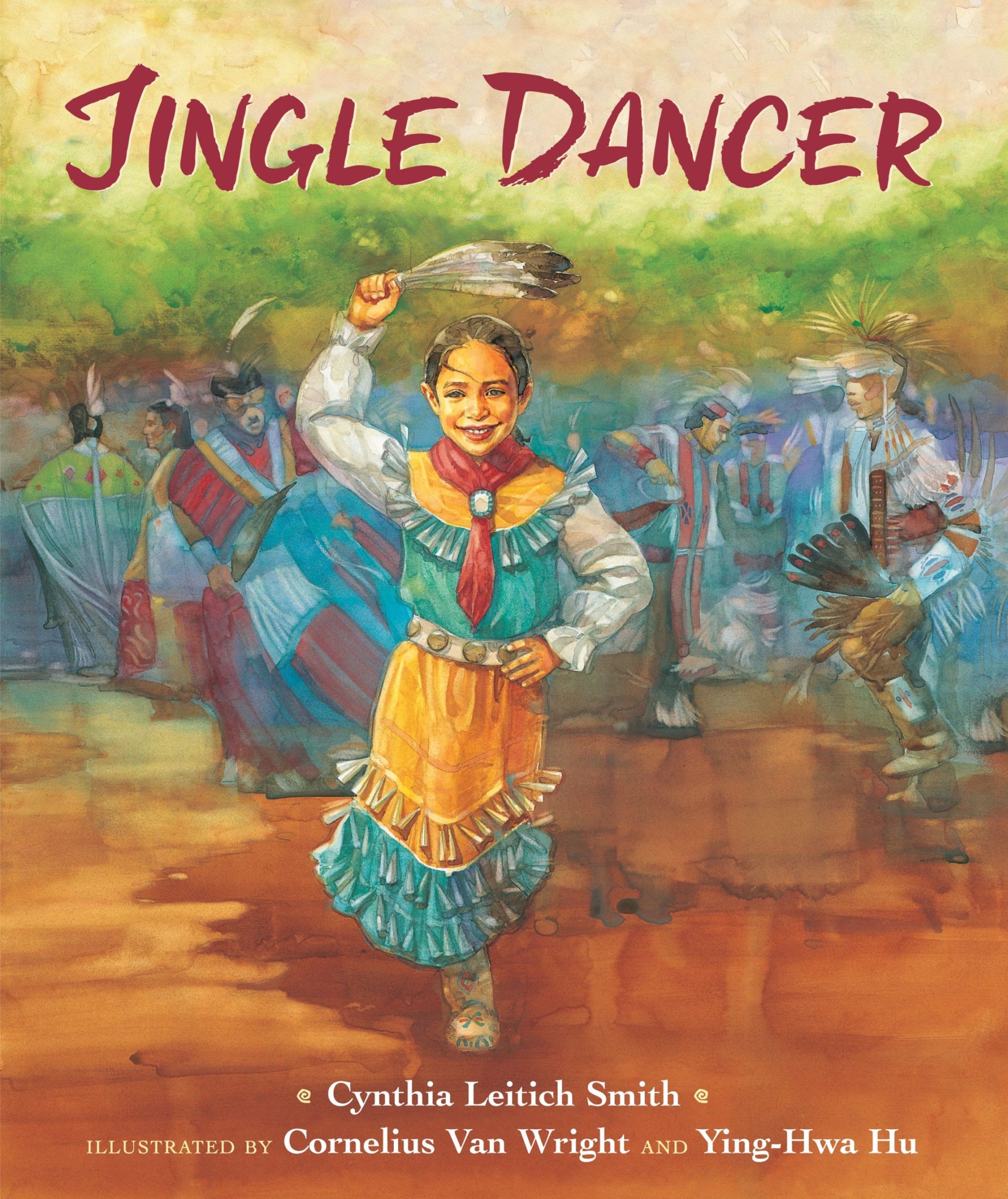
Jingle Dancer is a wonderful book about the cultural significance of jingle dancing at a Powwow by Cynthia Leitich Smith and illustrated by Cornelius Van Wright and Ying-Hwa Hu. This book shares the importance and significance of powwow music and specifically the instruments. This book is from the perspective of a young jingle dancer and describes the instruments of a powwow, the importance of the jingle dress, and how the dress is made. This book can be accompanied with a video of a Jingle Dancer from an education website. CBC Kids has a wonderful educational video series to help kids learn about different Indigenous dances.
Listen and learn
You can also listen to and learn music by an Indigenous composer. Beverly McKiver is a friend and colleague of mine, and her set of pieces titled Canadian Floral Emblems is a stunning set of piano music that I have taught time and again. Beverley wrote and recorded an intermediate level piano piece for each province and territory in Canada, and they are beautiful reflective works. If you don’t teach piano, or teach in a group context, I encourage you to print out pictures of the Canadian Floral Emblems and have your students colour in the pictures and learn about the flowers native to each province and territory while listening to the recording.
Join the song
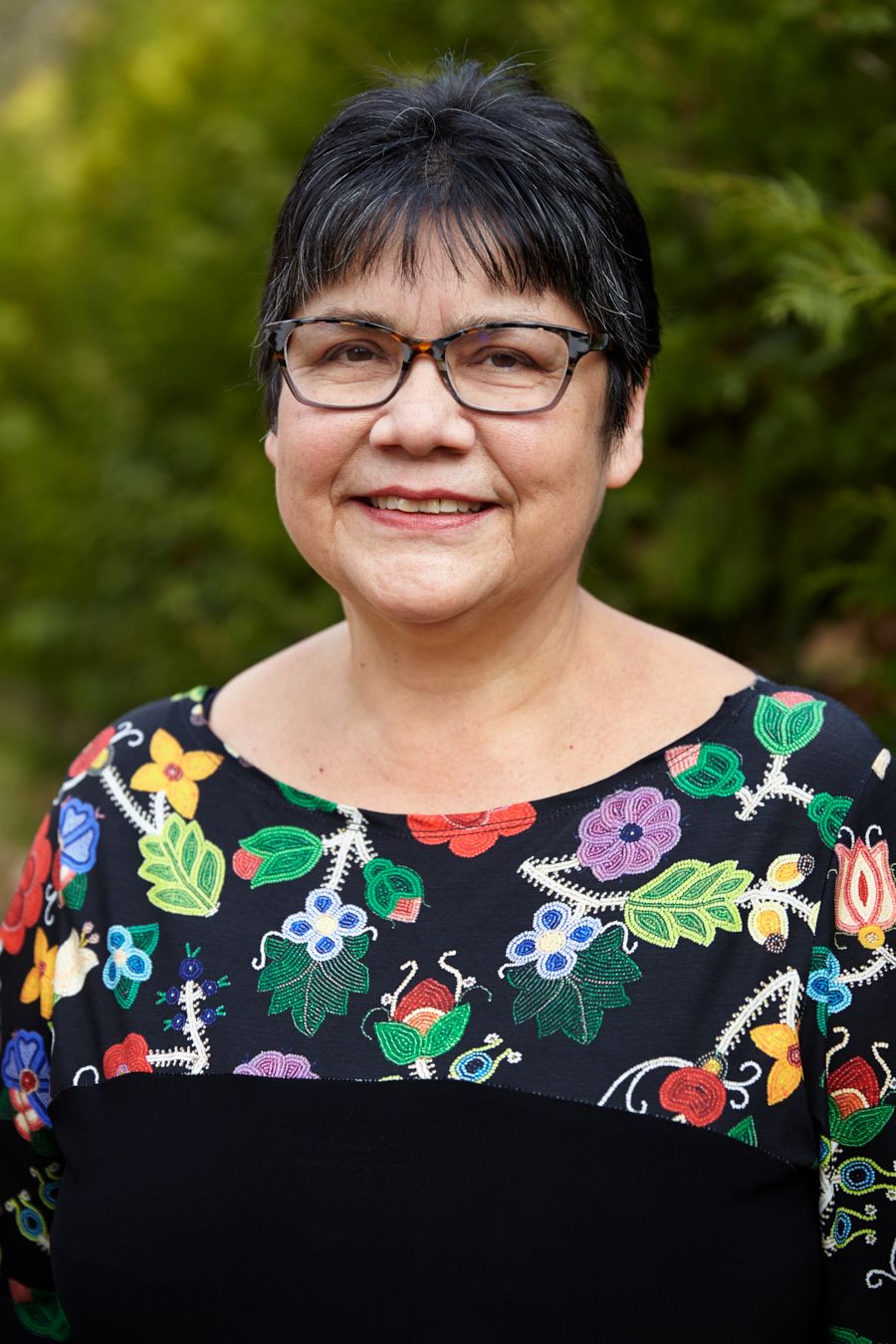
The choir music of Sherryl Sewepagaham has been a favourite of mine, whether I am working with a children’s choir, an adaptive choir, or an adult community choir. Her music is accessible to so many groups of singers and infused with incredible storytelling and rich poetry. Our Lotus Music Singing Collective sang Sherryl’s new composition “mitêh” complete with hand chimes and joined by our Rock Band on the accompaniment. Sherryl wrote this song as a modular composition, and we sang her simplified version, “Arrangement 1.” This fall, my community choir will take on the more challenging “Arrangement 3” of this song for our fall semester. The instructional videos guide you through the Cree text, and the pronunciation guides are helpful for any group of singers. The piece is currently free as part of MusiCounts Music Class Challenge, and you can download the resources here.

I hope that you found this blog helpful in finding resources for Truth and Reconciliation learning. I would love to hear how you honour this day in your music practice.
Happy Teaching!
Olivia
Who we are
Get in touch
-
13-1002 Beaverbrook Rd, Ottawa ON, Canada
-
jeff@lotusmusic.ca